
Drain Backups: When Water Has Nowhere Else to Go

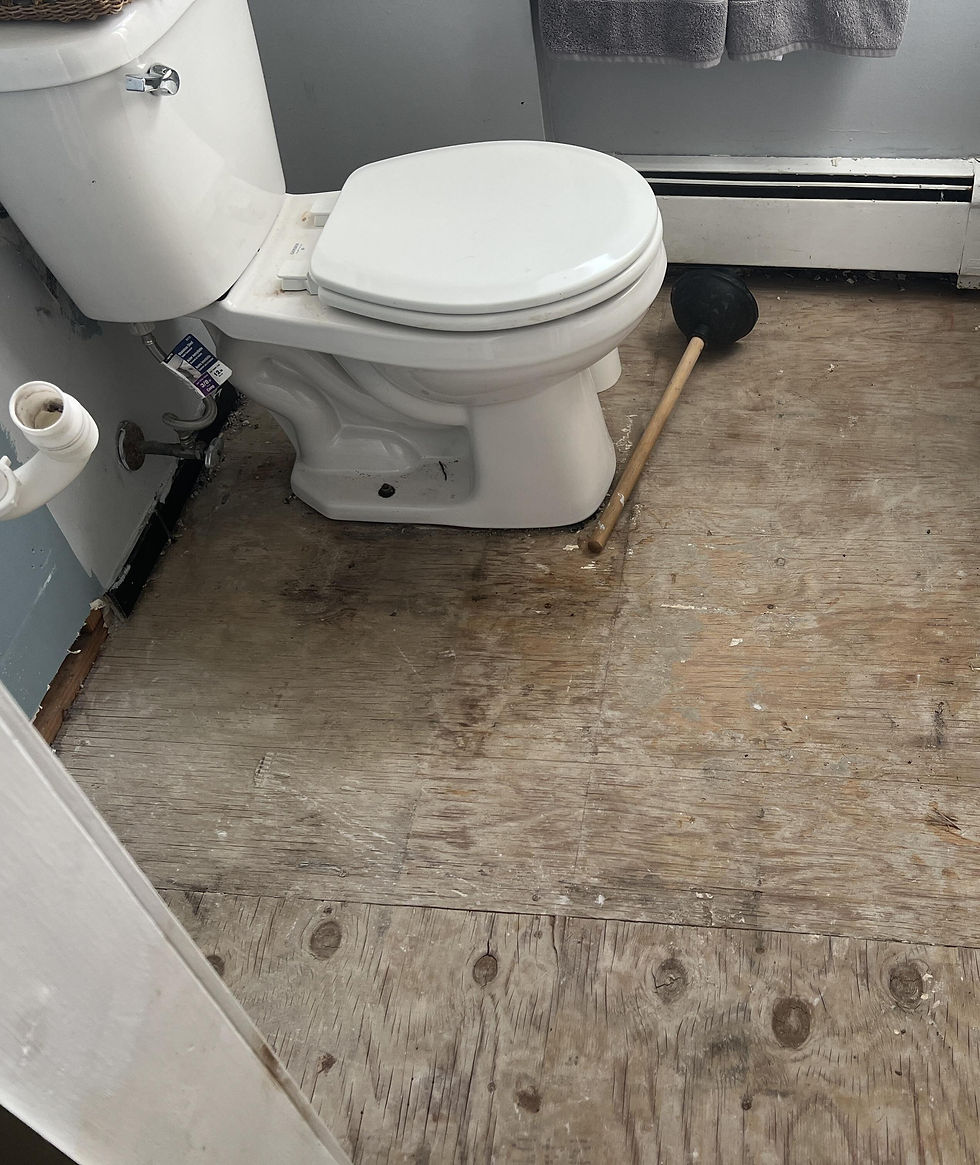
Drain backups are one of the most stressful types of water damage a homeowner can experience. Water comes up instead of going down, often quickly, unexpectedly, and in the worst possible places like bathrooms, basements, or laundry rooms.
Unlike clean water leaks, drain backups can introduce contaminated water into your home, making fast and professional response especially important.
What Causes Drain Backups
Drain backups usually happen when something blocks or overwhelms your plumbing system. Common causes include:
Built up grease, soap, or debris in drain lines
Flushed items that should never go down a drain
Tree roots invading sewer lines
Broken, collapsed, or misaligned pipes
Municipal sewer overload during heavy rain
Aging plumbing systems that cannot handle demand
When the system cannot move water away fast enough, it finds the next lowest exit point, which is often inside your home.
Why Drain Backups Are More Than a Mess
When drains back up, the water involved is often contaminated. This can pose health risks and cause rapid damage to building materials.
Drain backups can lead to:
Contaminated water spreading across floors
Damage to flooring, drywall, and baseboards
Absorption into cabinets, insulation, and framing
Strong odors that linger
Increased risk of bacteria and mold growth
Because of the contamination risk, proper cleanup is about safety as much as drying.
Warning Signs a Backup May Be Coming
Some drain backups give early warning signs before a full overflow occurs:
Slow draining sinks or tubs
Gurgling sounds from toilets or drains
Water backing up in one fixture when another is used
Foul or sewage like odors
Repeated clogs in multiple drains
If you notice these signs, acting early can prevent a much larger loss.
Why DIY Cleanup Is Risky
Many homeowners try to clean up drain backup water themselves. The problem is that contaminated water can soak into materials that look fine on the surface.
Without professional cleanup:
Bacteria and contaminants can remain in porous materials
Odors can return even after drying
Improper cleaning can spread contamination further
Hidden moisture can lead to secondary damage
Professional restoration focuses on safe removal, proper cleaning, and thorough drying.
How Professional Restoration Helps After a Drain Backup
Restoration professionals follow strict protocols when dealing with drain backups to protect both your home and your health.
This process often includes:
Removing contaminated water and materials
Cleaning and disinfecting affected areas
Drying structural components properly
Monitoring moisture levels to prevent further damage
Helping document damage for insurance purposes
The goal is to return your home to a safe and livable condition, not just make it look clean.

Why Acting Quickly Matters
Drain backup damage gets worse the longer it sits. Contaminated water can spread, materials can degrade, and cleanup becomes more invasive over time. Quick response can reduce the scope of damage and speed up recovery.
Do Not Wait for It to Happen Again
If your home has experienced a drain backup, it is important to address both the damage and the cause. A professional assessment can help determine what happened and how to prevent it in the future.
Drain backups are overwhelming, but you do not have to handle them alone. With the right response, your home can be cleaned, dried, and made safe again.


Comments